We identify, pilot, and deploy proven atmospheric water harvesting systems across 27 countries — tested on the ground before we ever recommend them.
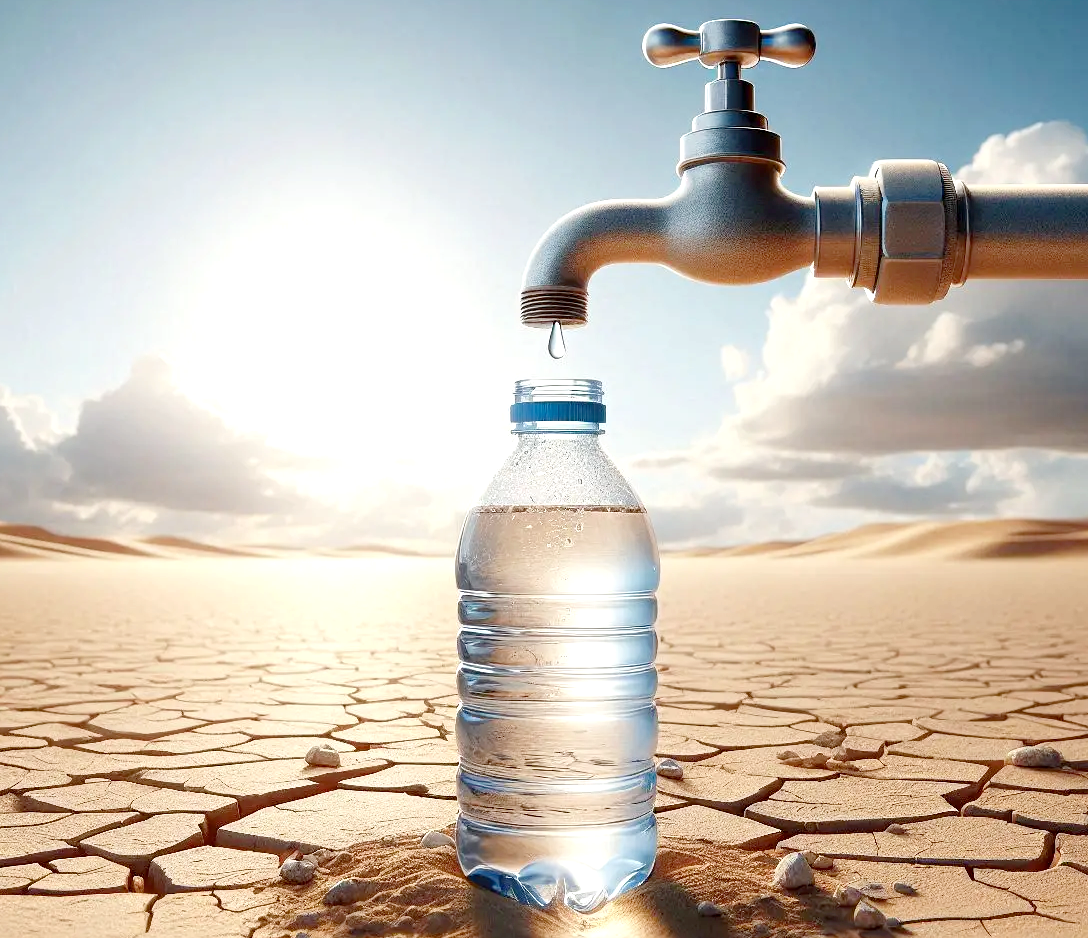
"The air above the driest desert holds enough moisture to sustain life. The question is no longer whether we can harvest it — it is whether we can deploy the right systems honestly, at scale, where they are needed most."
Aquacapt works at the intersection of proven atmospheric water technology and the communities who need it most. We are not equipment vendors — we assess, pilot, match, and deploy solutions that work under real field conditions, and we tell clients clearly when a technology is not yet ready for their situation.
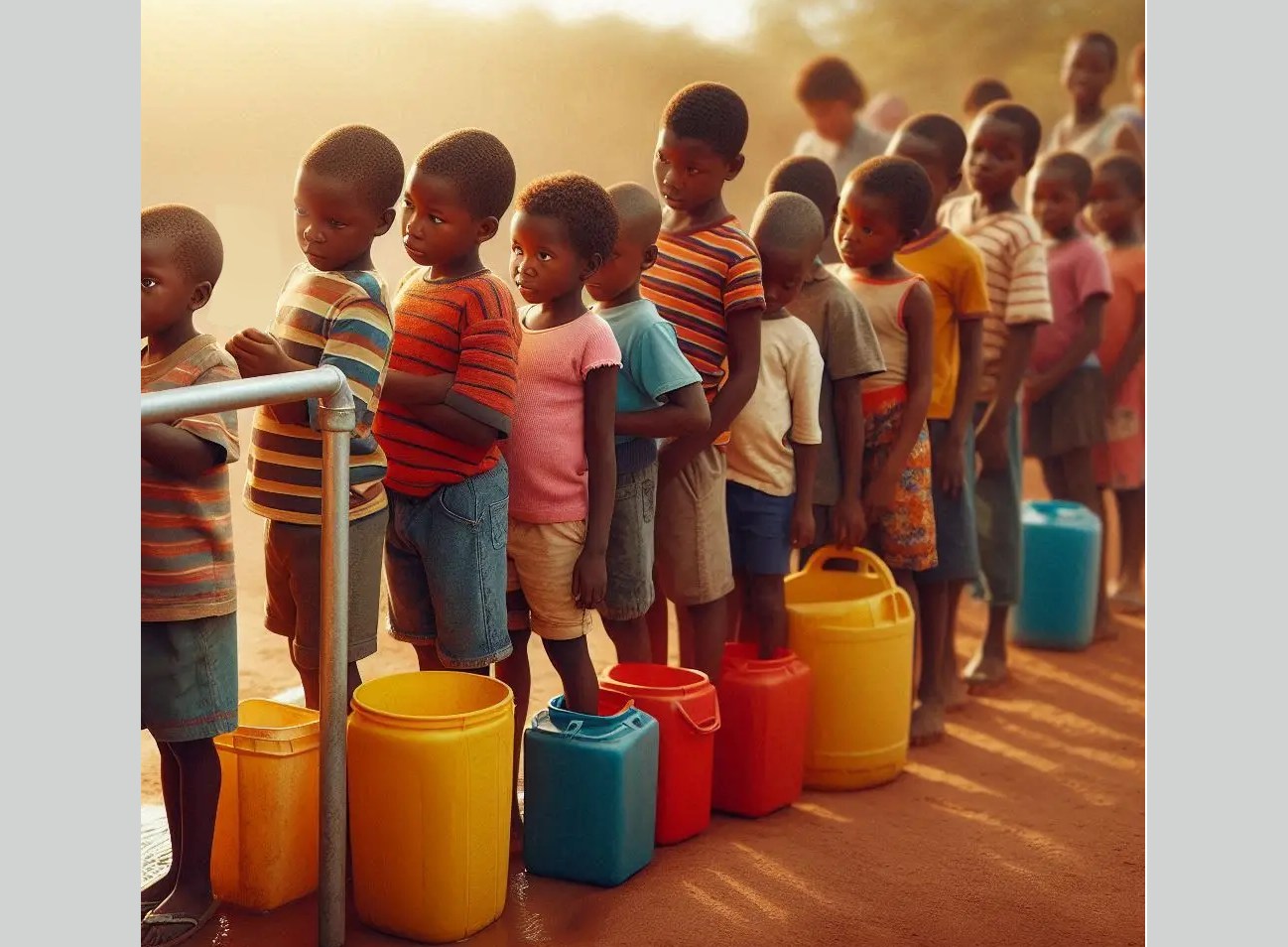
Agriculture accounts for 70% of global freshwater withdrawal. As aquifers deplete and rainfall patterns shift, millions of smallholder farms face an existential water crisis within this decade.
Proven atmospheric water harvesting systems are commercially available today, yet remain largely undeployed in agricultural communities due to knowledge gaps and the lack of trusted, technology-agnostic intermediaries.
The 2025 Nobel Prize in Chemistry recognised MOF technology — enabling water harvesting from desert air as dry as 10% humidity. Industrial-scale deployment is 12–24 months away.
Not all atmospheric water technologies work in all conditions. Our core commitment is matching the right system to the right environment — and being direct when no viable solution exists yet. We pilot every system locally before we recommend it.
Cooling ambient air below dew point to extract liquid water. Energy-intensive but highly reliable in humid climates. Multiple commercial products deployed globally.
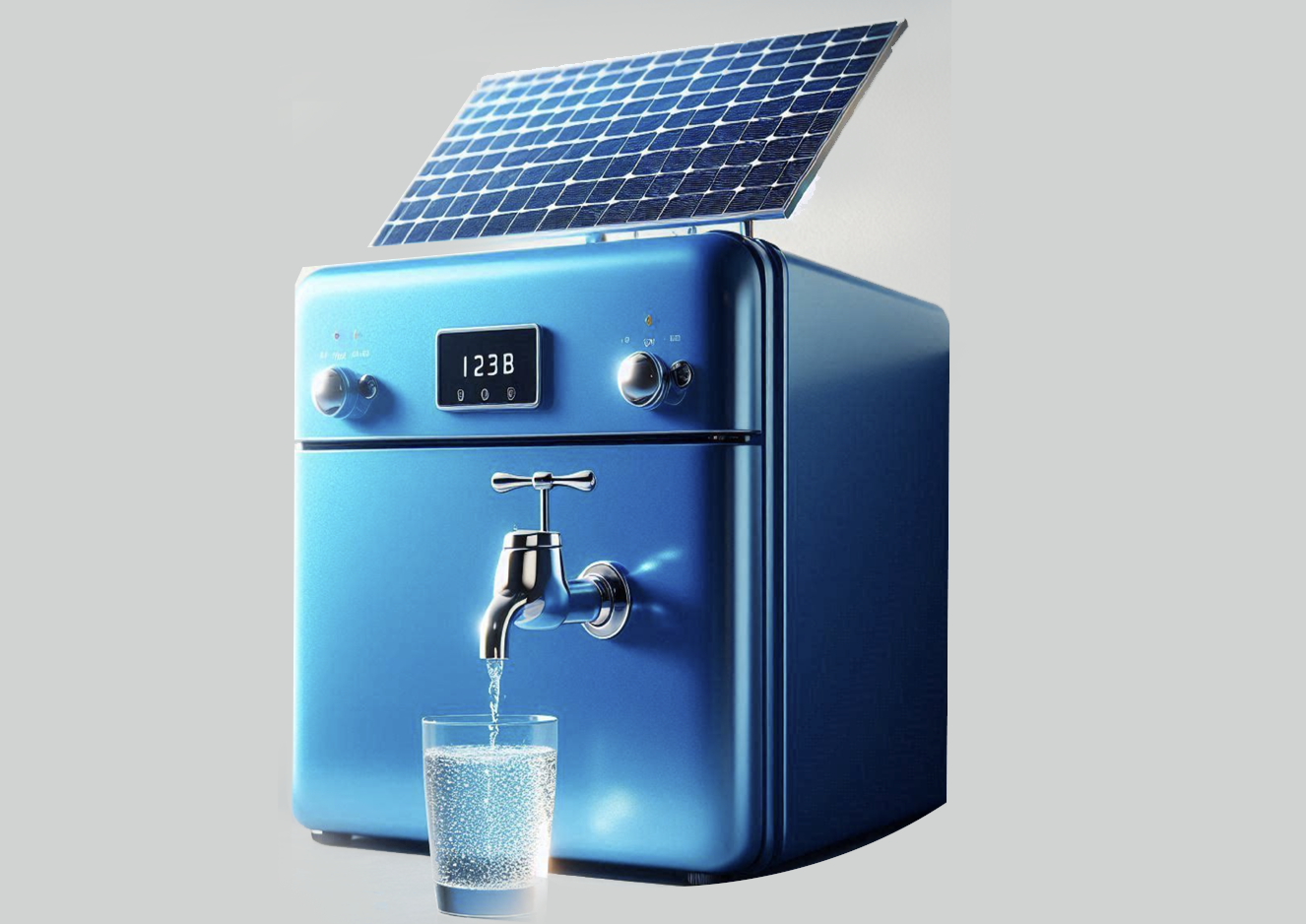
Proprietary materials absorb moisture passively, released by solar heating. Off-grid, silent, scalable. Best in semi-arid zones with strong sunlight.
Large-mesh fog collectors harvest wind-driven moisture in coastal and highland zones. Simple, low-maintenance, and community-operable. Proven in Chile, Morocco, and Eritrea.
Polymer matrices with deliquescent salts capture moisture at lower humidity. Outdoor tests validated at 3.5–8.9 L/m²/day. Pre-commercial but field-piloted.
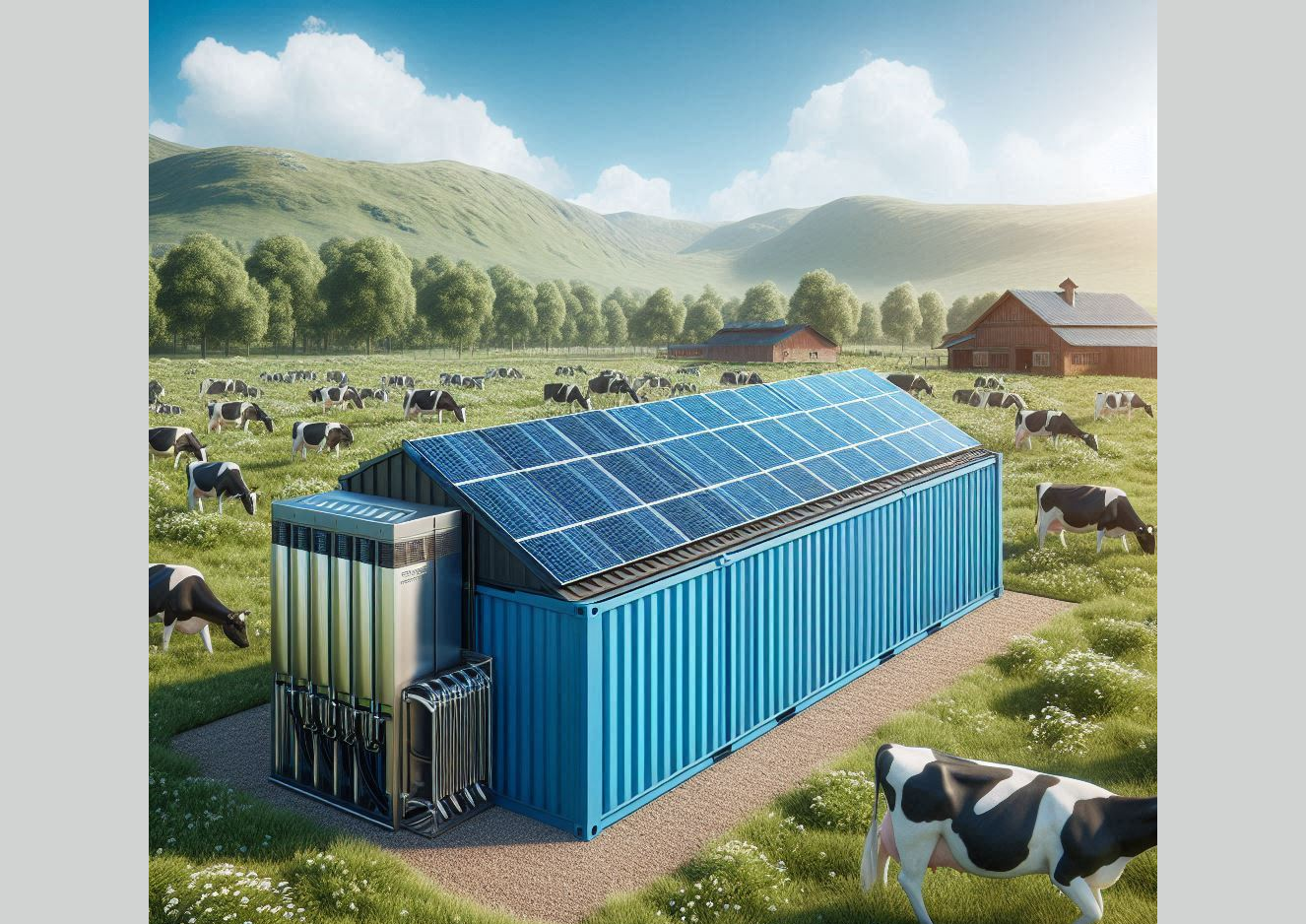
Metal-Organic Frameworks adsorb water at humidity as low as 10%. Validated in Death Valley. Containerised industrial units in development by Atoco / WaHa.
Aquacapt is not affiliated with any single vendor. Every engagement begins with a rigorous field assessment before any technology is recommended — or ruled out. We pilot first. Always.
The brilliant scientists building MOF devices won't tell you which cooperative in the Sahel has the financial model to sustain a system. We can. Here is what we bring that no technology company can replicate.
Built over careers spanning Nestlé, Cargill, and sustainability platform work, this is not a prospect list — it is a trust network. A successful deployment in one community propagates organically to the next.
Georeferenced data on crop types, farm economics, climate profiles, and water stress levels. Every assessment starts from facts on the ground, not from a lab projection.
We deploy prototypes across our farm network under documented real-world conditions. That performance data advances the entire sector — and we share it openly with technology partners and funders.
We will tell a community when a technology will not work in their conditions. We will recommend a competitor's product if it is the right fit.
No commission. No hype. Just what works.
A disciplined phased approach — narrow geography, single technology, obsessive measurement — before scaling. This is how trust is built and how the sector proves itself.
Overlay humidity, climate, and water-stress data across 25,000 identified sites. Identify the 200–500 best-matched locations for current technology. Select one country, one climate zone, one community as the pilot target.
Engage 2–3 proven vendors with pilot cluster data. Negotiate preferred pricing and co-development terms. Select the best-fit water harvesting technology for the pilot site conditions.
Identify development finance co-investment (IFAD, Swiss SDC, bilateral aid programs). Coordinate import and installation logistics. Establish a cooperative ownership model to ensure long-term maintenance capacity.
Install 5–10 systems with rigorous instrumentation: daily water yield, energy consumption, cost per unit, maintenance events, community satisfaction. This data is the foundation for scale — and for MOF pilot partnerships in 2026.
Every client we work with will know exactly what they are deploying, what conditions it requires, and what it will deliver — including an honest "not yet" when the technology is not ready for their situation. We test every system locally before we put our name on it.
Technology-agnostic assessment — no vendor affiliation
Every system locally piloted before recommendation
Documented real-world performance data, always
No commission-driven recommendations, no PhD dreams
Whether you operate a farm network, run a development finance program, or build water technology looking for field deployment partners — we want to hear from you.